Transformation Is a Human Problem
Not a technology problem. Not a process problem. A human problem.
Most consultants will tell you transformation is about technology, processes, or frameworks. They're half right.
The other half—the half that determines whether your initiative actually sticks—is understanding a fundamental truth: people don't resist change. They resist being changed.
I've spent 20+ years learning this the hard way, watching brilliant strategies fail because they were designed for spreadsheets instead of humans. And I've spent just as long figuring out what actually works.
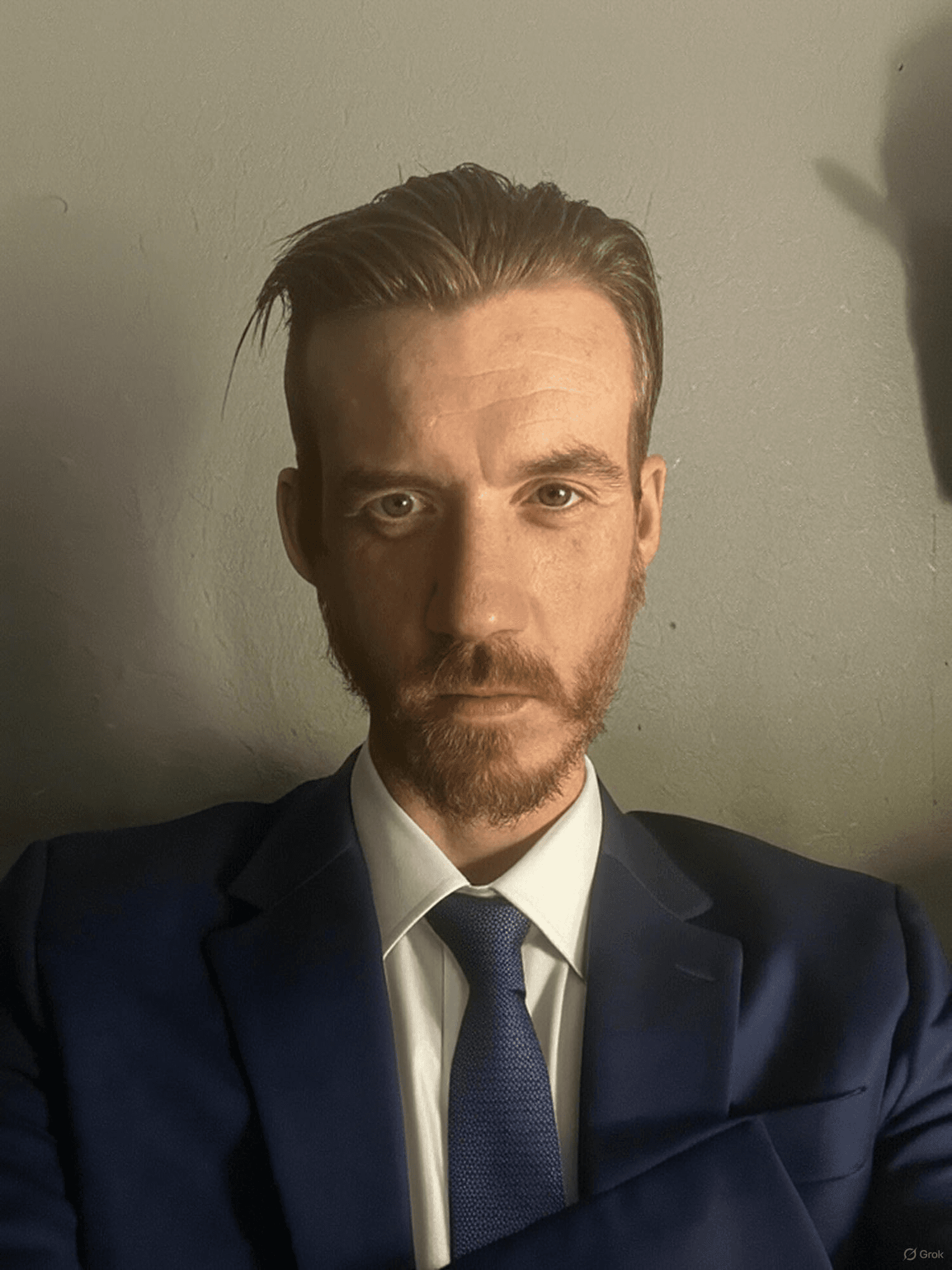
The Journey
I started in telecom during the smartphone revolution—literally on the floor at T-Mobile when the original iPhone launched, then watching Android reshape the industry in real-time. It was a masterclass in how technology disrupts everything it touches.
But what fascinated me wasn't the technology itself. It was watching companies try to force-fit new capabilities onto old thinking. New tools, same broken processes. Expensive platforms, minimal adoption. "Digital transformation" that transformed nothing.
Over a decade at Sprint, I worked my way from retail consultant to district manager, then pivoted into training and enablement. Each role taught me the same lesson from a different angle: the best frameworks are invisible. They work with how people actually think and operate, not against it.
Eventually, I started building Easy Empire AI as a laboratory for testing these principles at scale—designing systems where the technology serves the human, not the other way around.
The Framework That Changed Everything
Somewhere along the way, I realized the same principles kept showing up—whether I was coaching a sales rep, leading a team, parenting my kids, or designing a training system. The question was always the same: How do you help someone become more effective without trying to make them into someone they're not?
The answer became SELF-CARD—a framework built on a simple recognition: every person has a completely unique lens on reality (their SELF), and concepts like Control, Accountability, Responsibility, and Discipline transform from oppressive external forces into empowering internal ones when filtered through that uniqueness.
I wrote all of this down in S.E.L.F. Taught: Claim Your CARD—Or Someone Else Will—not as an academic exercise, but as a practical guide for anyone tired of systems that demand conformity instead of honoring individuality.
This framework isn't separate from my consulting work—it is the work. It's why the AI systems I help organizations build through Easy Empire AI are designed to amplify human uniqueness rather than replace it. Technology should serve the human, honor the individual, and make people more of who they already are—not less.
How I Work
Four principles that guide everything I build and advise on.
Systems Thinking
Everything connects to everything. Optimizing one part of a system while ignoring the rest just moves the problem somewhere else. Real improvement requires seeing the whole picture.
AI Serves Humans
AI is a tool, not a strategy. The organizations winning with AI aren't the ones with the best models—they're the ones who understand that humans drive transformation, technology just accelerates it.
Strategy Requires Execution
A brilliant strategy that can't be implemented is just expensive theory. I don't deliver slide decks—I deliver systems that work in the real world, with real constraints and real people.
Design for Human Nature
Sustainable change requires working with human psychology, not against it. If your transformation requires people to fundamentally change who they are, you've already lost.
What Makes This Different
Most consultants optimize existing systems. They'll help you do what you're already doing, just faster or cheaper. That's valuable work, but it's not what I do.
I redesign the system architecture itself. The goal isn't just efficiency—it's liberation. Building systems that free people to do their best work instead of fighting their tools.
Here's what that looks like in practice: Training programs that feel like games instead of compliance. AI integrations that amplify expertise instead of replacing it. Processes that people actually want to follow because they make life easier, not harder.
The metric that matters isn't adoption rate or completion percentage. It's whether people are still using the system six months later—not because they have to, but because it genuinely helps them win.
Beyond the Resume
I'm based in the Kansas City area, where I'm watching my twin sons finish up high school and figure out their own paths forward.
Outside of work, I'm drawn to anything involving pattern recognition and connecting disparate frameworks—genealogy research, systems theory, understanding how ideas from one domain can unlock solutions in another. The through-line is always the same: finding the hidden architecture beneath the surface.
I believe the future of work is intelligent, automated, and deeply human-centric. My mission is to build systems that bring that future closer—one smart decision at a time.
Let's Build Something
Whether you're facing a transformation challenge or exploring what's possible with the right systems in place—I'd love to hear what you're working on.